Fiber Preservation Science
Understanding the material properties and environmental requirements for long-term textile preservation.
Natural Fiber Properties
Understanding Fiber Structure
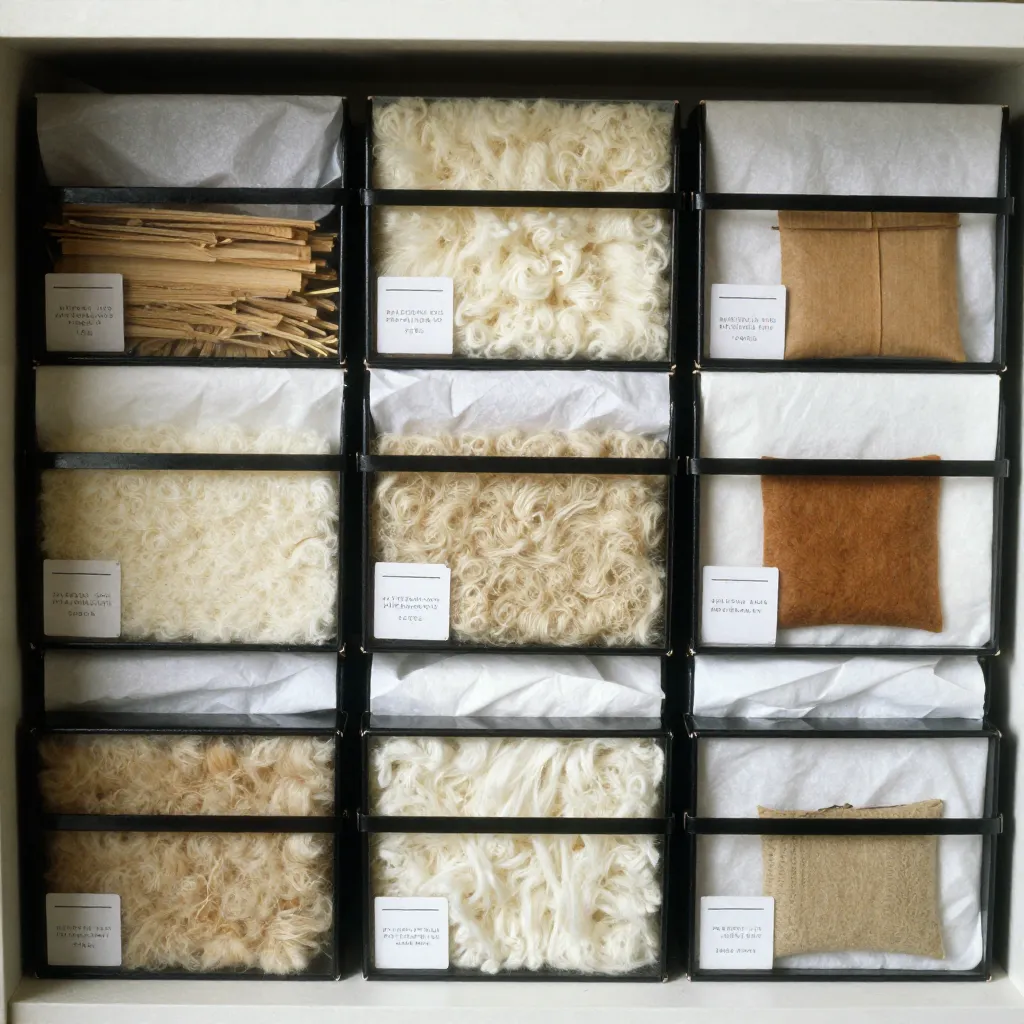
Natural fibers like wool, cotton, and silk have complex structures that respond to environmental conditions. Each fiber type requires specific preservation approaches based on its molecular composition and physical properties.
Wool fibers contain protein structures that are sensitive to moisture and temperature fluctuations. Understanding these characteristics helps determine appropriate storage conditions and protective measures.
Environmental Impact Factors
Humidity Control
Excessive moisture can lead to mold growth and fiber degradation, while low humidity causes brittleness. Maintaining optimal humidity levels between 45-55% is essential for textile preservation.
Temperature Stability
Temperature fluctuations accelerate chemical reactions that degrade fibers. Stable temperatures between 18-22°C help slow degradation processes and maintain fabric integrity over time.
Light Exposure
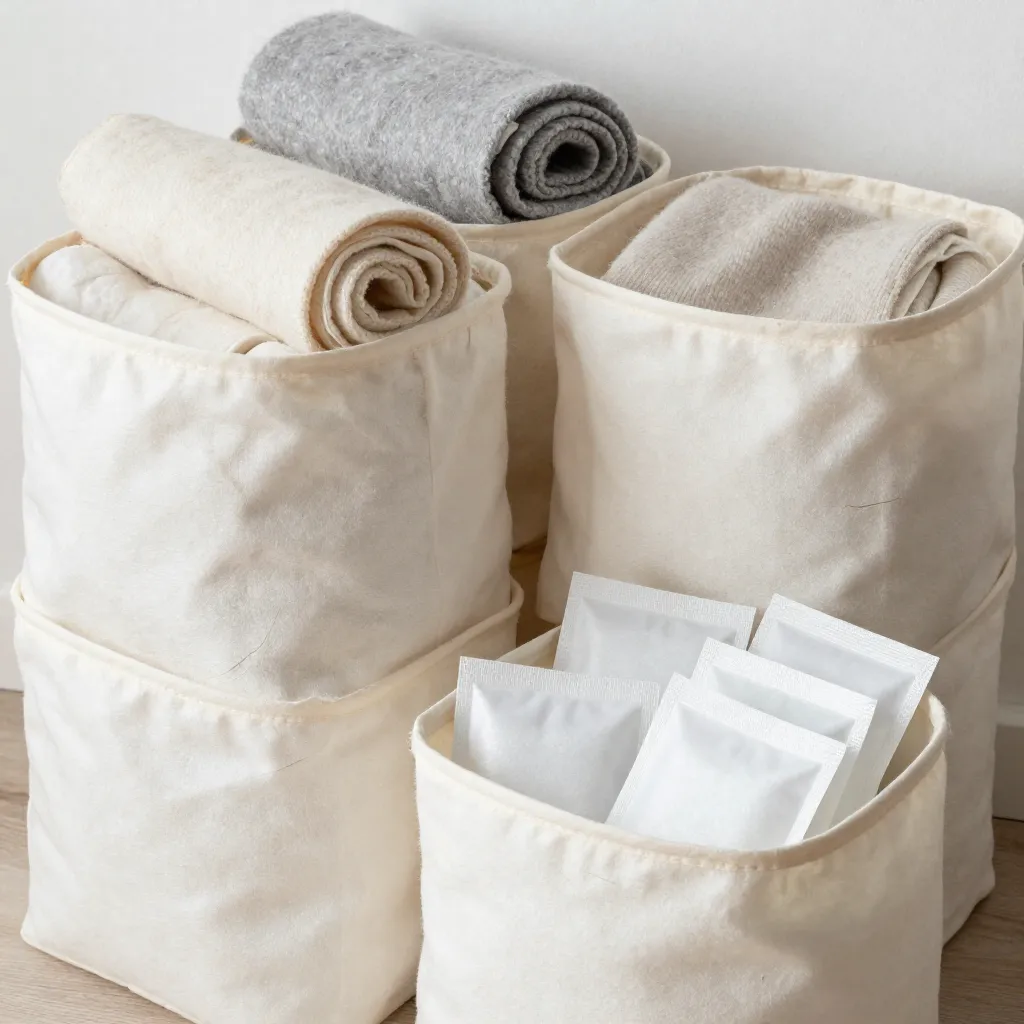
UV radiation and visible light cause photochemical degradation, leading to color fading and fiber weakening. Proper storage includes light-blocking materials and controlled illumination.
Preservation Techniques
Scientific Preservation Approaches
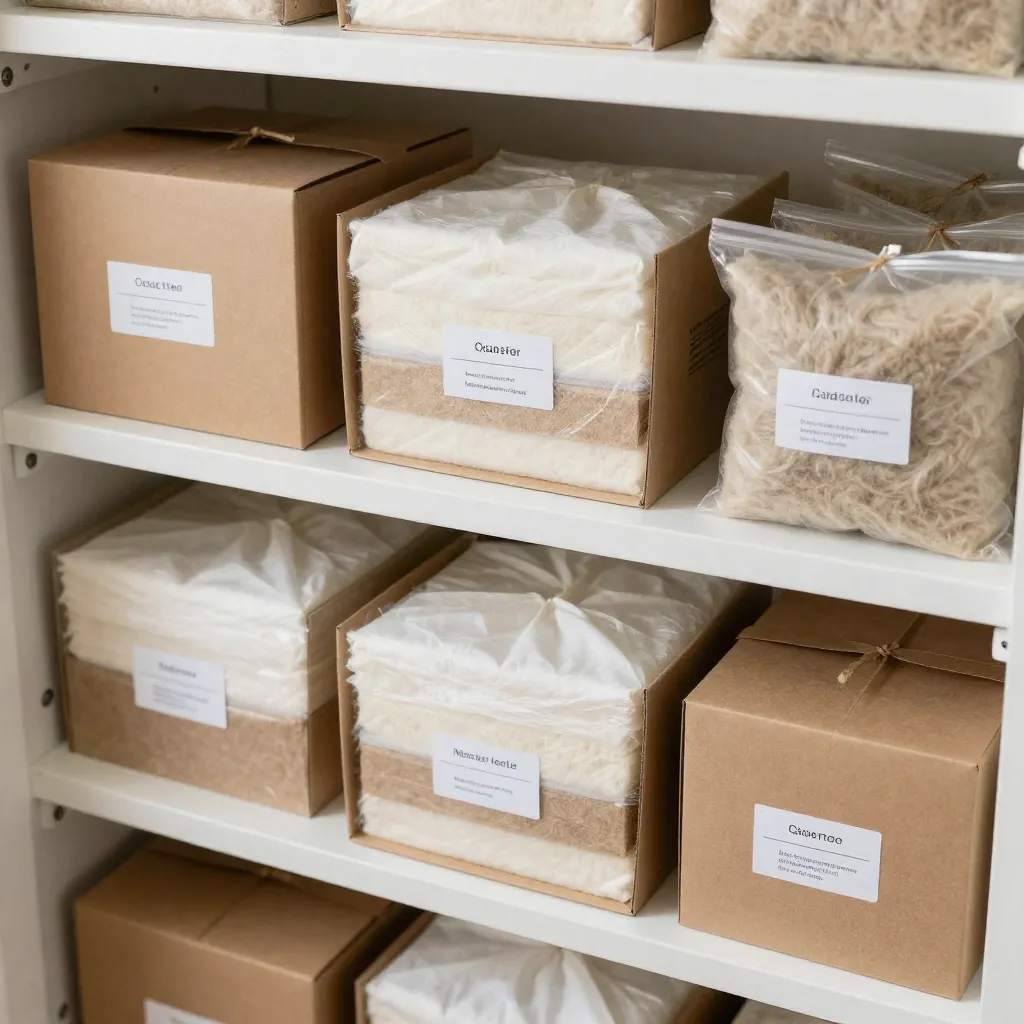
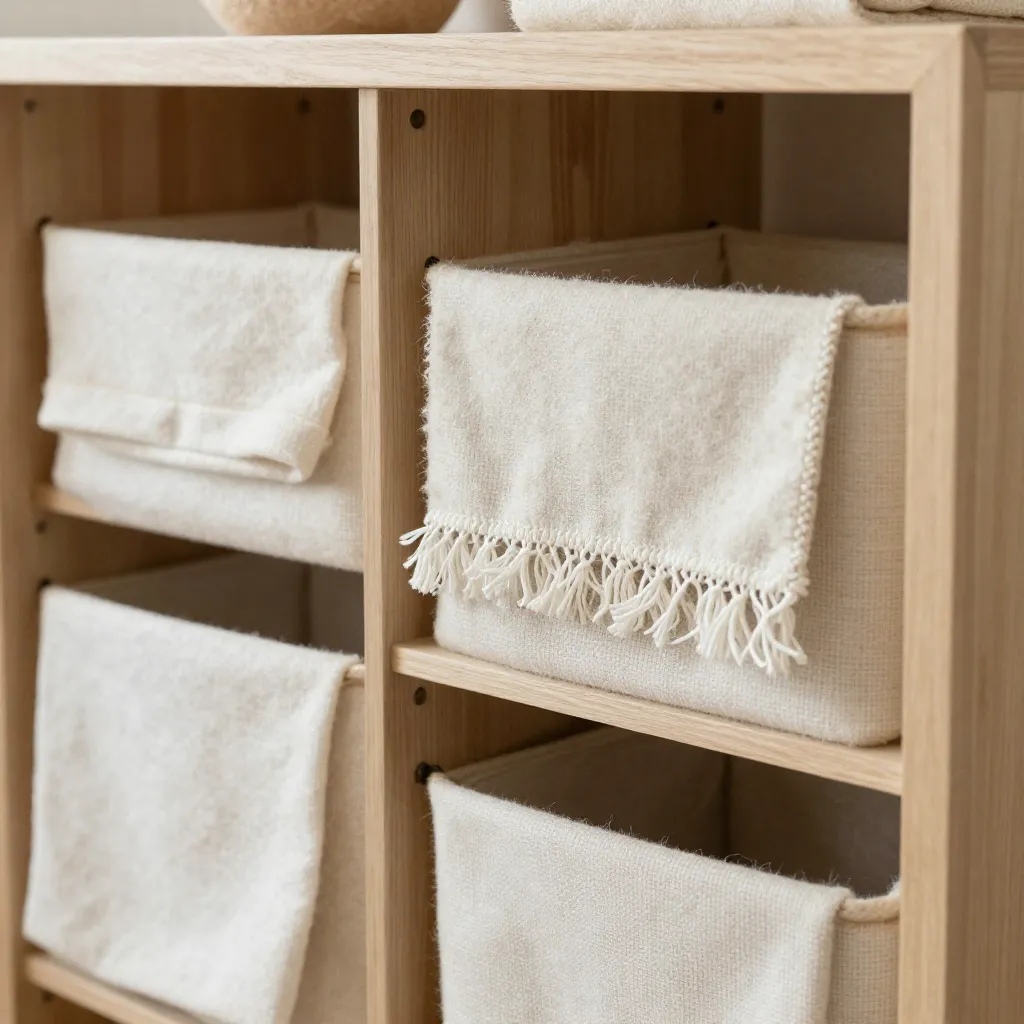
Effective preservation combines environmental control with appropriate storage materials. Acid-free containers prevent chemical interactions, while natural deterrents like cedar provide pest protection without harmful chemicals.
Regular monitoring and maintenance ensure that preservation systems continue to function effectively. Documentation of storage conditions creates valuable records for long-term collection management.
Ongoing Research

Degradation Studies
Research into fiber degradation mechanisms helps improve preservation methods. Understanding how different environmental factors affect various fiber types guides storage system design.
Material Testing
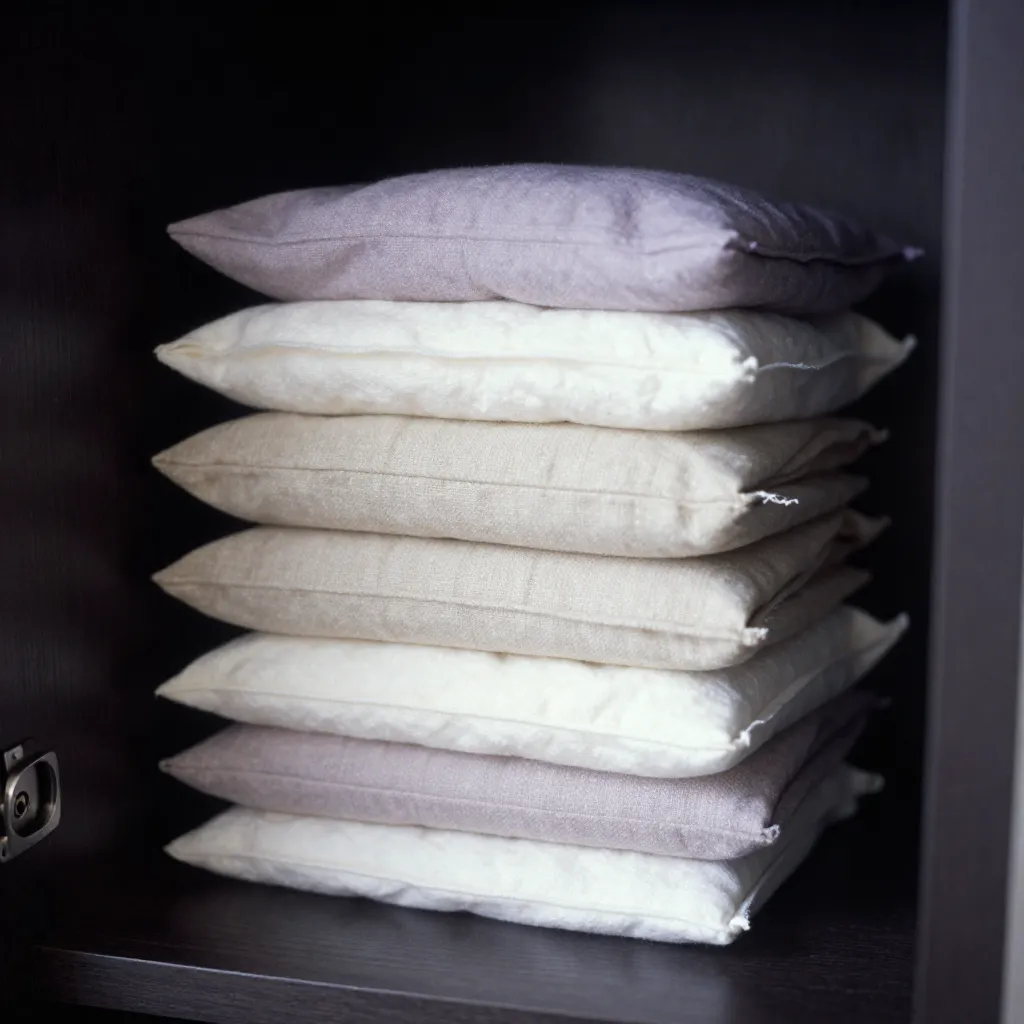
Testing storage materials ensures they meet preservation standards. Components are evaluated for chemical stability, pH levels, and compatibility with natural fibers.

Long-Term Monitoring
Continuous monitoring of stored textiles provides data on preservation effectiveness. This information helps refine storage protocols and improve future preservation strategies.